20 Jul 2026
How to find probable and confirmed lineups for Brazilian football matches
A probable lineup is based on reporting; a confirmed lineup is the official team sheet submitted before the match. Find out where to look, when the information is usually released, and how to interpret formations, absences and last-minute changes.
Probable and confirmed lineups: what is the difference
A probable lineup is a projection based on training sessions, the manager’s interviews, news about players and previous matches. It can change until shortly before kick-off. The confirmed lineup contains the 11 starters, substitutes and coaching staff officially listed for that match. To avoid mistakes, treat any list published before the official announcement as probable, even if it comes from a reliable club reporter.
Where to check the official lineup
The clubs’ official channels are usually the quickest source: verified social media accounts, websites, apps and the club’s broadcast channel. The announcement often includes a graphic showing the starters and substitutes. The competition organiser may also provide the official match sheet, match report or live match page. In the Brasileirão and CBF tournaments, check the CBF’s channels and the competition’s official system. For state championships, look to the relevant federation. The official match sheet is the safest record once the game has begun.
When lineups are usually published
In professional matches in Brazil, the official team sheet generally appears around an hour before kick-off, after the player lists have been submitted to the match officials. The exact timing may vary depending on the competition regulations and broadcast operation. For a 9:30pm match, start monitoring the official channels at around 8:20pm and refresh close to 8:30pm. Probable lineups are usually published the day before and become more accurate on matchday, after the final training session and the squad’s journey.
How to read the formation without confusing positions and tactical shape
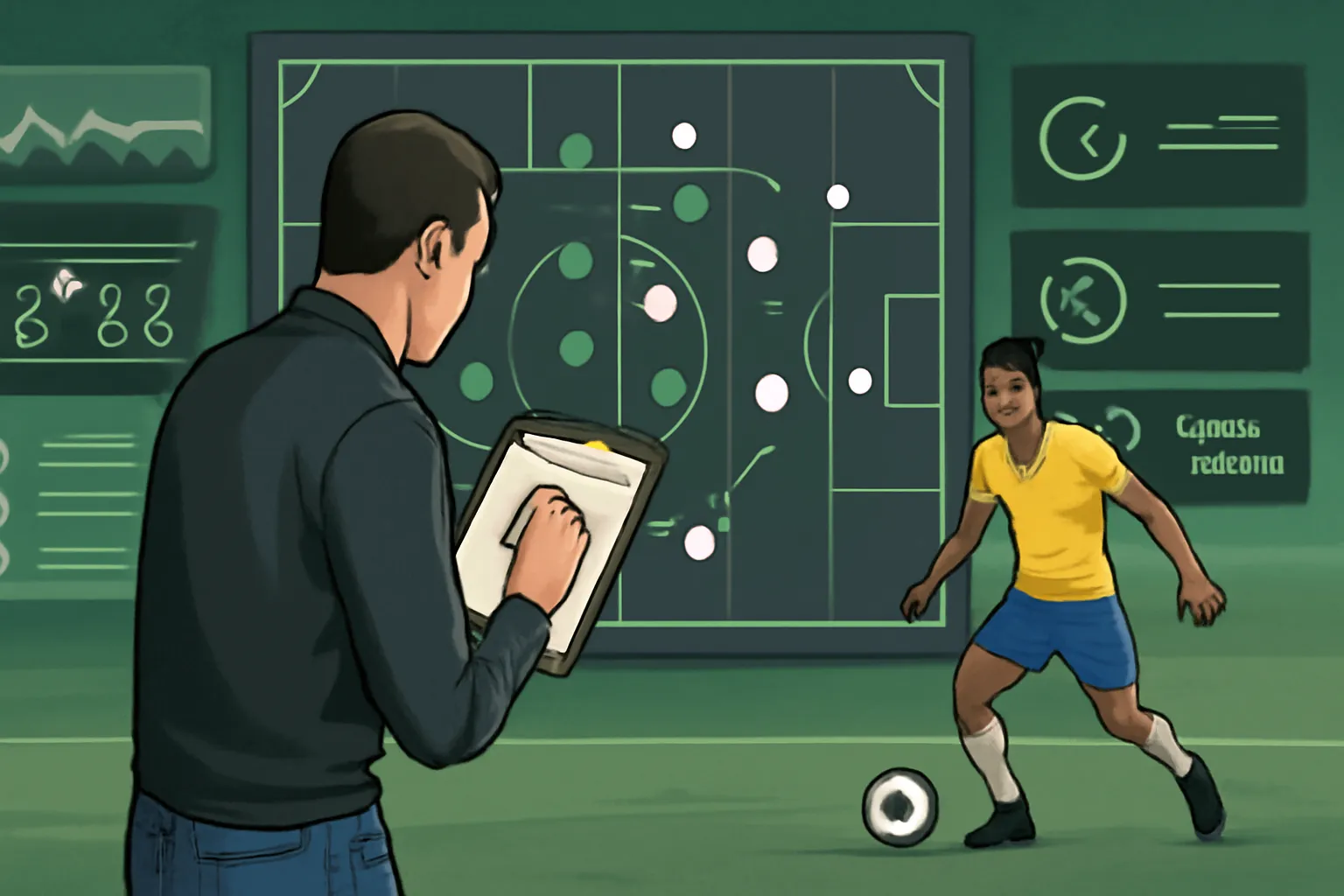
The official graphic usually lists the names but does not guarantee the formation used on the pitch. A team announced with two centre-backs, two full-backs, three midfielders and three forwards may play in a 4-3-3, 4-2-3-1 or another shape, depending on the players’ roles. Look at who protects the defence, who plays wide and who moves closer to the striker. The starting lineup also does not prevent positional changes during the match. Pre-match material from journalists covering the club can help explain these roles.
How to track absences and returns
Check the club’s medical bulletin and official news for injuries and fitness updates. Suspensions depend on cards, disciplinary hearings and the regulations, so it is worth checking the competition’s website and announcements from the CBF or relevant federation. Also note players called up by national teams, released from the squad, rested or included after recovering. A player named in the squad may start on the bench; someone who trained with the starters may be ruled out after feeling discomfort or if the manager changes the plan.
What to do when there is a last-minute change
Changes can occur between the team-sheet announcement and kick-off because of illness, a problem during the warm-up or a tactical decision. Compare the lineup published by the club with the official broadcast, the match page and, afterwards, the official match sheet. If there is a discrepancy, prioritise the most recent information from the match organiser. For reliable updates, follow both clubs’ official accounts, enable alerts on matchday and use reports labelled as probable lineups only until official confirmation.
Related pre-match analysis
Keep reading
Analysis: PK Sport · our methodology
Analysis based on public data and market signals. For analysis only — not betting advice.