25 Aug 2026
What is an interim manager in football? Understand the role and how they work
An interim manager is a professional who takes charge of a team on a temporary basis, usually after the departure of the head coach. Find out when they are appointed, what their responsibilities are and how they differ from a permanent manager.
What does interim manager mean
An interim manager is the coach who takes charge of a team temporarily. They step in while the club searches for a new manager or resolves an internal situation. In many cases, a permanent assistant, academy coach or another club employee is given the role.
When does a club appoint an interim manager
This usually happens after a dismissal, a mutually agreed departure or the manager being placed on leave. An interim manager may also take charge when the head coach is suspended, ill or otherwise unable to work. This solution ensures the team is not left without guidance during matches and training sessions.
What are an interim manager’s responsibilities
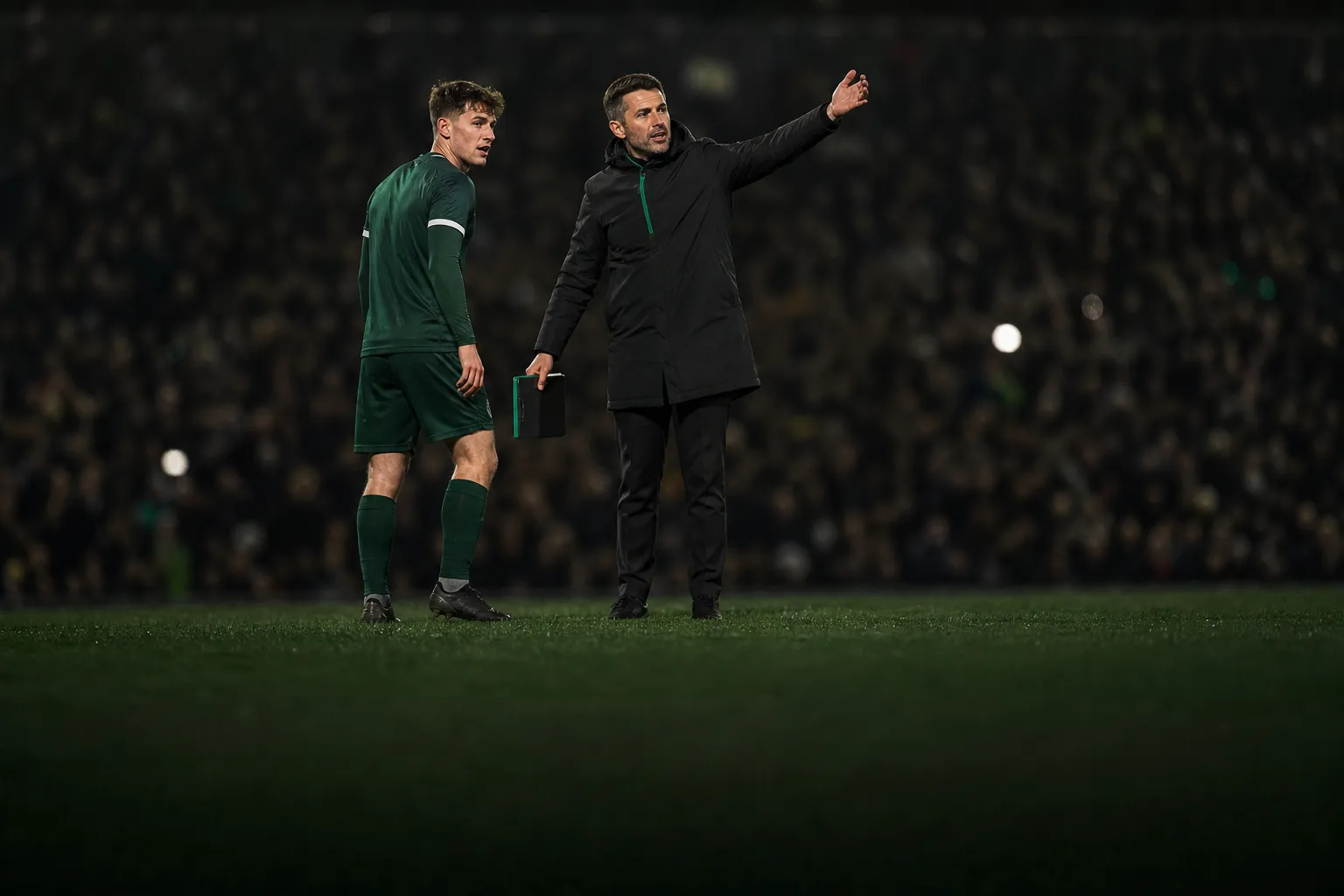
The interim manager organises training, selects the starting XI, chooses the tactical system and instructs the players during matches. They also attend interviews and make decisions about substitutions. Even with little time in the role, they must prepare the team for its upcoming fixtures.
What is the difference between an interim and a permanent manager
A permanent manager is hired for a project without a defined temporary end date. An interim manager, however, takes charge for a limited period and may leave as soon as the club announces a new head coach. In some cases, the interim manager achieves good results and is appointed permanently, but that depends on the board’s assessment.
Can an interim manager change the team’s style
Yes. Some interim managers retain the system used by the previous coach to avoid sudden changes. Others alter the formation, give academy players an opportunity or simplify the strategy to rebuild the squad’s confidence. The impact depends on the time available, the professional’s experience and the players’ response.
A practical example in football
If a manager is dismissed on the eve of a match, the assistant can take charge as interim manager. They prepare the team for that game and the fixtures that follow while the board negotiates with another coach. Once the new manager is announced, the interim manager may return to their original role or leave the club.
Related pre-match analysis
Keep reading
Analysis: PK Sport · our methodology
Analysis based on public data and market signals. For analysis only — not betting advice.